So, my first inelegant-yet-functional PyMel script is done and working. The core of it is in this little snippet here, that digs through a mesh's inputs until it finds the texture node on the surface shader: #Pass through the mesh's shape and return a texture name. import pymel as pm def getTextureFile(geo): sg = [] #Get the shading group from the selected mesh raw_sg = pm.listConnections(geo, type='shadingEngine') #Rapidly check for duplicates in the list- I do this by checking each item #against an empty list. #If the item is not in the empty list I append it. for element in raw_sg: if element not in sg: sg.append(element) #Get some info sgInfo = pm.listConnections(sg[0], type='materialInfo') fileNode = pm.listConnections(sgInfo[0], type='file') textureFile = pm.getAttr(fileNode[0].fileTextureName) print 'This is the file', str(textureFile) return str(textureFile) It st...
Here is a quick code snippet for calling a Python script from Substance Painter and parsing the results. The in/out is very simple, but serves as an example of using the alg.subprocess.check_output function to bridge the JS api and your own Python scripts. // This can be called from the QML UI, or elsewhere in the plugin code. function GetAllFilesInDirectory(root) { if (root == undefined) return; // I put my scripts in a relative path to keep my plugin tidy. var script_path = "Scripts/FileUtils.py"; // Gathering files var ret = "NOSTRING"; try { // The arguments are used as parameter inputs to the Python script. This requires some planning // and well communicated conventions, but works well enough. ret = alg.subprocess.check_output( [ pypath, // Absolute path to interpreter. script_path, // Relative path to the py script. "log_files_of_type", // sys.argv[1], in this case the python ...
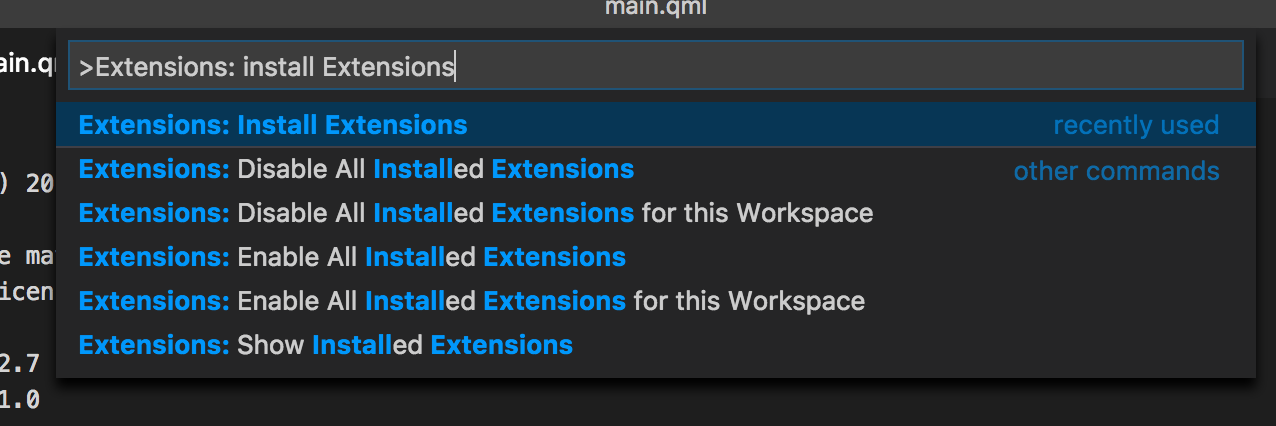
Substance Painter plugins use the QT Meta Language , or QML files to build their interface. From Wikipedia: It is a JSON-like declarative language for designing user interface–centric applications. Inline JavaScript code handles imperative aspects. It is part of Qt Quick, the UI creation kit developed by Nokia within the Qt framework. Using this information, we can start building a window with a button to execute our script. Visual Studio Code For this tutorial I’m going to be using Visual Studio Code , a lightweight IDE from Microsoft. It’s not the same thing as Visual Studio, but it’s a nice scripting editor that’s available on Mac, Linux and PC. Other text editors like Sublime will do the job quite well. Installing QML Syntax Highlighting By default, QML files will appear as ordinary text files in Visual Studio Code. While this won’t stop you from being able to write the plugin, adding some QML support will make reading, organizing and editing our script easier. To do this, I’...

Comments
Post a Comment